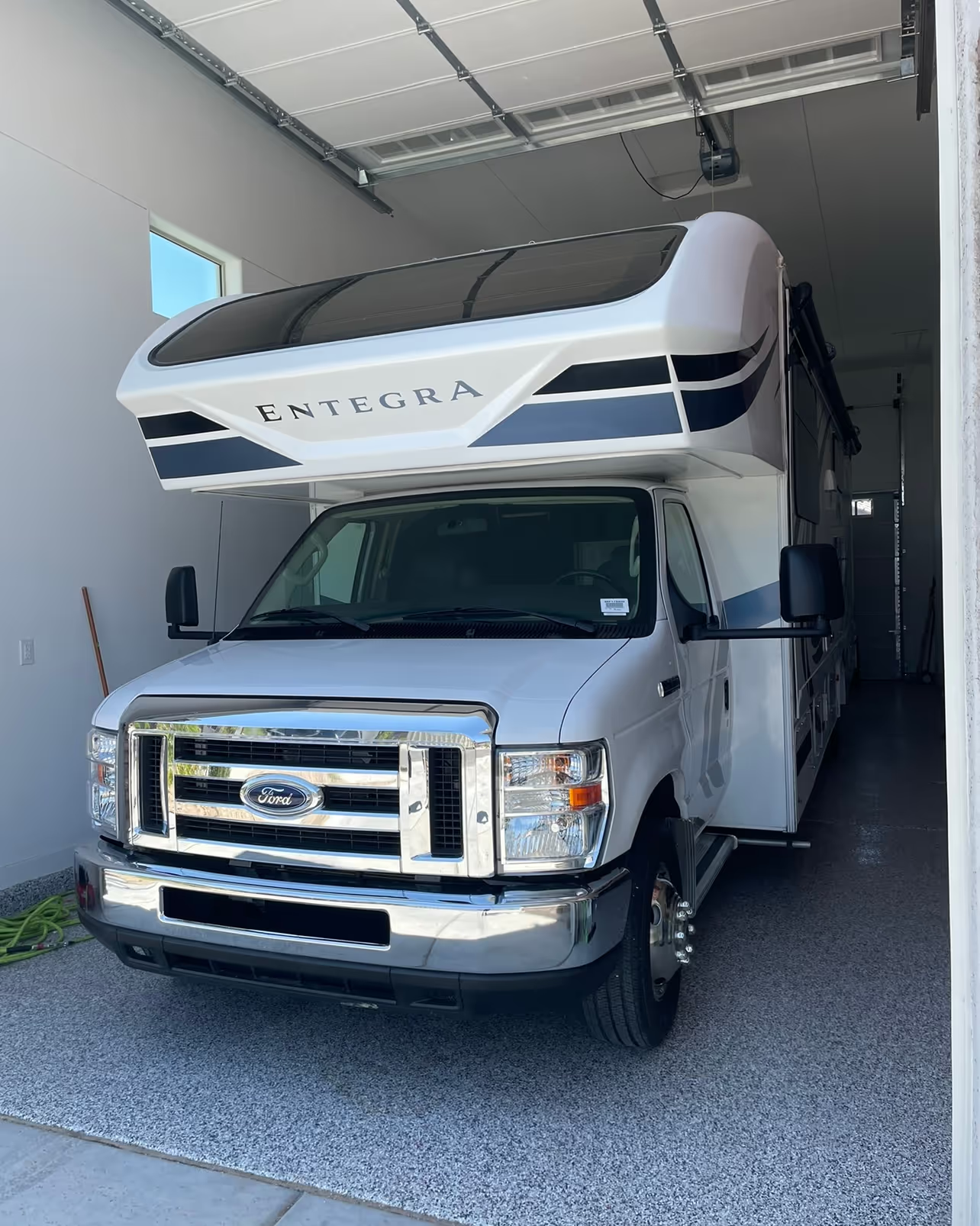


You increase RV rental income mostly by controlling three things: how many good dates the RV is available, how reliably it stays rental-ready, and how much of each payout you keep after costs. In a managed program the Fleet Manager runs the rental side, but the owner still decides the calendar, the condition of the RV and the ownership costs, and those choices move net income more than any single pricing trick. Most owners in the RV Management USA program make $500 to $2,000 a month, and that is a program range, not a promise.
What actually drives RV rental income?
Gross rental income is roughly booked nights times the nightly rate, plus any add-ons. What reaches you is that revenue after the split and the costs your agreement defines. In the RV Management USA program the revenue split is 45% to the owner, 45% to the Fleet Manager and 10% to RV Management USA, and the management agreement spells out deductions and payout timing.
That gives you four places to look for more income:
- Booked nights: open dates, especially in your area’s busy season.
- Rate and demand: the type, age and condition of the RV, which shape what renters will pay.
- Downtime: days the RV can’t rent because of repairs or a slow fix.
- Ownership costs: maintenance, repairs, insurance, storage and financing that come out of what you keep.
If you want a starting number for your own RV, try the RV rental income calculator, then read how much you can make renting out your RV for the ranges by type.
Which levers can an owner control?
Here are the eight levers that matter most, and who usually controls each one in a managed program.
| Lever | What you do | Why it raises net income |
|---|---|---|
| 1. Open the busy dates | Plan personal trips outside your area’s peak weeks and give notice early | Peak nights are usually the highest-value nights of the year |
| 2. Stay rental-ready | Approve preventative maintenance promptly | Fewer breakdowns mean fewer cancelled trips and less downtime |
| 3. Fix systemic issues fast | Budget for repairs that are the owner’s cost | A slow repair can take an RV off the calendar for weeks |
| 4. Start with the right RV | Enroll a unit that fits program demand (5 years or newer is the guideline) | Newer, family-friendly units tend to be easier to book |
| 5. Commit to a full term | Sign for the contract term and keep the RV in the program | A listing needs time to build bookings and renter feedback |
| 6. Cut ownership costs | Review insurance, storage and loan terms each year | Every dollar saved stays with you, whatever the bookings |
| 7. Read your statement | Check bookings, deductions and payout every month | You spot slow months, repeat repairs and errors early |
| 8. Be easy to reach | Answer your Fleet Manager quickly on repairs and approvals | Quick decisions keep the RV on the road |
How does your calendar affect what you earn?
Availability is the biggest lever most owners have. In the program you can use your RV on unbooked dates with notice, so personal use and rental income can live together. The trade-off is timing: a family trip during your area’s busiest weeks can cost more income than the same trip a few weeks earlier or later.
A simple habit helps. At the start of the year, sit down with your Fleet Manager, mark the weeks you know you want the RV, and leave the rest open. Late changes to dates that are already booked hurt renters and income, so plan early and communicate changes as soon as you know them.
Why does maintenance raise income instead of lowering it?
Preventative maintenance is billed to the owner and can be deducted from profits, so it can feel like a cost that shrinks your payout. In practice it protects income. A worn tire, a weak battery or a slow roof leak that gets caught early is cheaper than a breakdown mid-trip, a refund and several weeks off the calendar.
It helps to know how costs are split in the RV Management USA program:
| Cost | Who pays | How to keep it down |
|---|---|---|
| Preventative maintenance | Owner (can be deducted from profits) | Approve it on schedule so small issues stay small |
| Rental damage | Renter’s deposit plus the commercial rental policy | Clear check-in and check-out photos support any claim |
| Systemic repairs | Owner | Keep a repair reserve so fixes happen fast |
| Basic personal insurance | Owner (keeps it in force) | Shop the policy at renewal and confirm what it covers |
For a deeper look at the wear side, see how security deposits and damage claims work and the RV rental insurance guide.
Does the type of RV change how much you can make?
Yes. The program focuses on newer Class A, B and C motorhomes and late-model bunkhouse travel trailers, with fifth wheels and conversion vans also considered. Eligibility is RVs 5 years old or newer, with occasional exceptions for very well-maintained older units. Class A, B and C motorhomes in the program average $8K to $20K a year, again as a range and not a promise.
If you are still choosing a rig, compare the options in the best RVs for rental income and Class A vs Class C vs travel trailer earnings before you buy.
How can you lower ownership costs without hurting bookings?
Income is only half of the math. A few owner-side costs are worth reviewing once a year:
- Financing: if rates have dropped since you bought, see whether refinancing your RV loan lowers the monthly payment.
- Storage: compare your current cost with typical RV storage prices, and check what your agreement says about where the RV stays between rentals.
- Insurance: keep your basic personal policy in force and confirm with your agent how it works alongside the commercial rental policy.
- Taxes: rental expenses may be deductible. Read which RV rental expenses may be deductible and talk with a tax professional about your situation.
How do you know whether income is going up?
You get a monthly owner statement and direct deposit. Track the same few numbers every month: nights booked, gross rental revenue, your share, deductions and what landed in your account. Compare each month with the same month last year rather than the month before, because RV rentals are seasonal. Our guide on tracking your RV rental earnings includes a simple spreadsheet layout.
FAQ
How much can I make renting my RV through a management program?
Most owners in the RV Management USA program make $500 to $2,000 a month, and Class A, B and C motorhomes average $8K to $20K a year. Results depend on the RV, location, season and how many dates are open, so treat these as a program range, not a promise.
Can I still use my RV if I want to maximize income?
Yes. You can use the RV on unbooked dates with notice. To protect income, plan personal trips early and, where you can, outside your area’s busiest weeks.
Who pays for repairs in a managed program?
Preventative maintenance is billed to the owner and can be deducted from profits. Rental damage is covered by the renter’s deposit plus the commercial rental policy. Systemic repairs are the owner’s cost.
How long is the agreement?
Contracts typically run 6 to 12 months. The agreement defines deductions, payout timing and notice rules, so read it closely before you sign.
Is RV rental income passive?
It is much more hands-off with a Fleet Manager, but you still make decisions about dates, repairs and costs. See whether RV rental management is passive income for the details.
Ready to see what your RV could earn?
If your RV is 5 years old or newer and sitting idle between trips, talk with a Fleet Manager and the RV Management USA team about your unit, your calendar and a realistic income range for your area.