

The best RVs for rental income are newer, easy-to-drive or easy-to-tow units that sleep a family and stay reliable trip after trip. In the RV Management USA program that usually means Class A, B and C motorhomes and late-model bunkhouse travel trailers that are 5 years old or newer, with fifth wheels and conversion vans also considered. The right pick for you depends on your local renters, your budget and whether you will also use the RV yourself.
What makes an RV good for rental income?
Renters are not buying the RV. They are booking a trip, so the RVs that rent well make that trip easy. Look for:
- Age and condition: newer units break down less and photograph better. The program guideline is 5 years or newer, with occasional exceptions for very well-maintained older units.
- Sleeping capacity: families and groups are a large part of rental demand, so a layout that sleeps more people widens the pool of renters.
- Ease of use: a first-time renter should feel comfortable driving or towing it and running the systems.
- Simple, durable systems: fewer specialty features means fewer things to fail between trips.
- Total cost to own: purchase price, financing, insurance and repairs decide what you keep.
Which RV types work best in a rental program?
Typical sleeping capacity and lengths below come from Outdoorsy’s guide to RV types. The rental notes are general guidance, not booking data.
| RV type | Typical sleeps | Who it suits | Strengths for rental | Watch-outs |
|---|---|---|---|---|
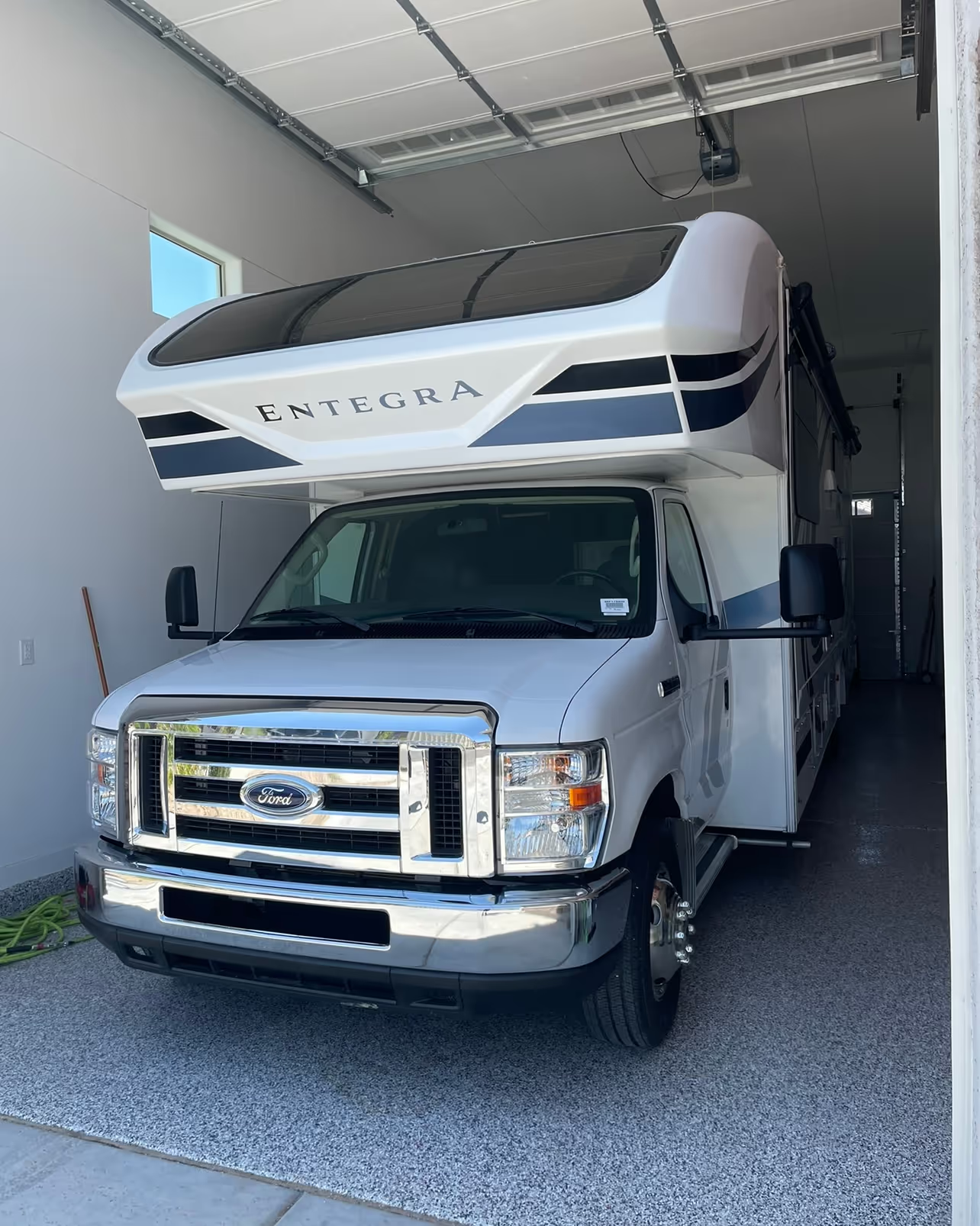
| Class C motorhome | Up to 8 | Families and first-time renters | Familiar cab, bunk or overcab sleeping, drives like a large van or truck | Generator, slide and roof upkeep |
| Class A motorhome | Up to 8 | Groups and renters who want space | Roomy, high-comfort trips | Higher purchase price and repair costs, bigger rig to drive |
| Class B camper van | Up to 4 | Couples and small groups | Easy to drive and park | Fewer beds limits family bookings |
| Bunkhouse travel trailer | Up to 8, by floor plan | Families who tow or want delivery | Lower purchase price, family layouts | Renter needs a suitable tow vehicle unless the RV is delivered |
| Fifth wheel | Varies by floor plan | Experienced towers and longer stays | Spacious living area | Needs a pickup with a fifth-wheel hitch, so a smaller renter pool |
For how these types compare on earnings, read Class A vs Class C vs travel trailer: which earns more.
How much can each RV earn?
Most owners in the RV Management USA program make $500 to $2,000 a month, and Class A, B and C motorhomes average $8K to $20K a year. Those are program ranges, never a promise. Your results depend on the RV, your market, the season and how many dates you leave open. The RV rental income calculator gives a starting estimate, and how much you can make renting out your RV explains what moves the number.
Which features help an RV book more often?
Features matter less than type and condition, but a few make an RV easier for renters to choose and use:
| Feature | Why renters care |
|---|---|
| Separate bunks or extra sleeping areas | Families can sleep without converting the dinette every night |
| Simple, clearly labeled controls | First-time renters can run water, power and heat without a long lesson |
| Onboard generator (motorhomes) | Comfort at sites without hookups |
| Backup camera | More confidence for drivers new to large vehicles |
| Durable, easy-clean interior | Faster turnovers and fewer wear issues |
Before you pay extra for an upgrade, ask your Fleet Manager whether renters in your area actually ask for it.
What RVs are harder to rent?
- Older units outside the eligibility guideline: the program focuses on RVs 5 years or newer. Very well-maintained older units are occasional exceptions.
- Rigs that are hard to drive or tow: the more specialized the equipment a renter needs, the fewer renters can book it.
- Units with open repair issues: any RV that is not reliable will lose trips to downtime.
- Highly customized layouts: what suits your family may not suit most renters.
Should you buy an RV just to rent it out?
Some owners do, but go in with clear eyes. RVs lose value over time (see how fast RVs depreciate by type), preventative maintenance is billed to the owner and can be deducted from profits, and systemic repairs are the owner’s cost. Rental damage is covered by the renter’s deposit plus the commercial rental policy, and you keep basic personal insurance in force.
RV Management USA does not sell RVs, so this advice is not tied to a dealer’s inventory. Use this quick check before you buy:
| Question | Good sign |
|---|---|
| Is it 5 years old or newer? | Yes, or very well maintained with records |
| Does it sleep a family? | Bunks or several sleeping areas |
| Can a first-time renter handle it? | Standard driving or common towing setup |
| Would you still be fine owning it if bookings were slow? | The payment fits your budget without rental income |
| Have you asked a Fleet Manager about local demand? | Yes, before you sign |
FAQ
What is the best RV to rent out for a first-time owner?
For many first-time owners, a newer Class C motorhome or a late-model bunkhouse travel trailer is a practical start, because both suit families. The best choice depends on local demand and your budget, so ask a Fleet Manager before you buy.
Can I put an older RV in a rental program?
The RV Management USA guideline is 5 years old or newer, with occasional exceptions for very well-maintained older units.
Are Class B vans good rental RVs?
They can be, especially for couples, but fewer beds means fewer family bookings. They are considered in the program alongside other types.
Are fifth wheels accepted?
Yes, fifth wheels are also considered. Because renters need a pickup with the right hitch, the pool of renters is smaller than for motorhomes or travel trailers.
Can I use my RV when it isn’t rented?
Yes. Owners can use the RV on unbooked dates, with notice.
Not sure your RV is a good fit?
Talk with a Fleet Manager and the RV Management USA team about your RV’s type, age and condition, and get a realistic view of local demand before you enroll or buy.